NewsomFrey2028.com | Promoting the possibility of a 2028 US Presidential ticket with Governor Gavin Newsom and Mayor Jacob Frey

Governor Gavin Newsom & Mayor Jacob Frey 2028 Presidential Ticket - What If?

What If?

In the aftermath of the killing of Renee Good – and now the murder of Alex Jeffrey Pretti – the final straw in my mind was broken.

I decided I was tired of the left clutching their pearls and writing strongly worded social media posts in response to actions by the current administration.  I felt – and feel – that America needs leaders at the top who have a proven ability to DO SOMETHING versus complaining about things. 

Governor Gavin Newsom has been a household name for a number of years and is a different kind of voice for the party.  Mayor Jacob Frey came onto my radar with his reaction to the ICE actions in his city.  So I wondered…what if?

The Vision

America stands at a crossroads. The challenges ahead demand leaders who have governed through crisis, who understand both coasts and heartland, and who represent the energy of a new political generation. The Newsom-Frey ticket brings together two proven executives ready to meet this moment.

Tested by Crisis, Ready to Lead

Both candidates have been forged in the fire of extraordinary challenges. Newsom led the nation’s largest state through pandemic, wildfire emergencies, and economic turbulence. Frey navigated his city through one of the most consequential moments in modern civil rights history, emerging with hard-won lessons about justice, healing, and reform. They don’t theorize about crisis leadership, they’ve lived it.

Passing the Torch

A new generation is ready. Newsom and Frey represent leaders who came of age in a different America, one shaped by climate urgency, technological transformation, and evolving expectations about what government can achieve. They carry the values of their predecessors while bringing fresh energy and new ideas to enduring challenges.

Add Your Voice

This isn’t about waiting for party insiders to decide our future. It’s about showing there is real grassroots momentum behind leaders who do something—who don’t just write strongly worded posts while the administration tears through communities like Minneapolis.

By adding your name, you’re sending a message: There’s appetite for this ticket. There’s energy behind bold, experienced leadership. There’s a coalition ready to be built.

We’re not a PAC. We’re not collecting donations. We’re building a record of support that demonstrates to both potential candidates and party leadership that this pairing resonates with real voters.

Add Your Voice

Your information will only be used to demonstrate support for a potential Newsom-Frey ticket and will not be sold or shared with third parties. We’ll only contact you if you opt in above.

The Potential Candidates

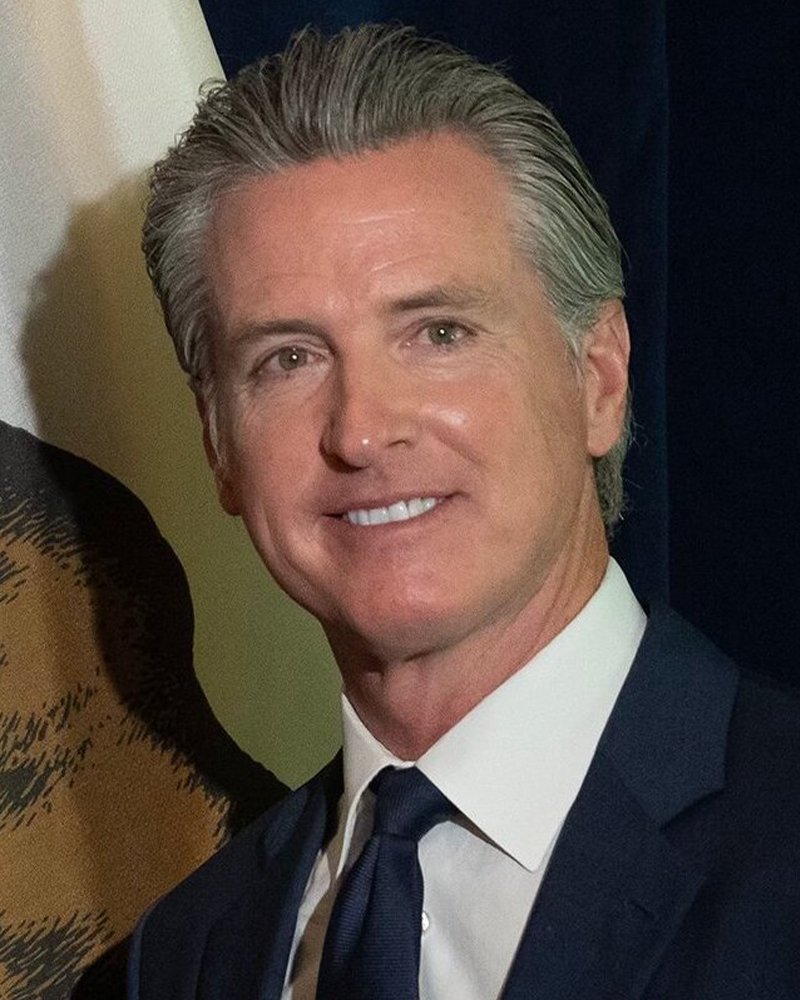
Gavin Newsom, Governor of California

Gavin Newsom has served as Governor of the nation’s most populous state since 2019, overseeing the world’s fifth-largest economy. Before his governorship, he served as Lieutenant Governor of California and as Mayor of San Francisco from 2004 to 2011.
 
As governor, Newsom has championed climate policy, reproductive rights, and gun safety legislation. His administration has focused on housing affordability, healthcare expansion, and infrastructure investment. A fourth-generation Californian, Newsom brings executive experience at a scale unmatched by most national candidates. A Yahoo/YouGov poll in September put him in the front of the pack, garnering 21% of support from Democrats [1], and the share of Democrats who say they would consider voting for him has risen 24 percentage points since April [2].

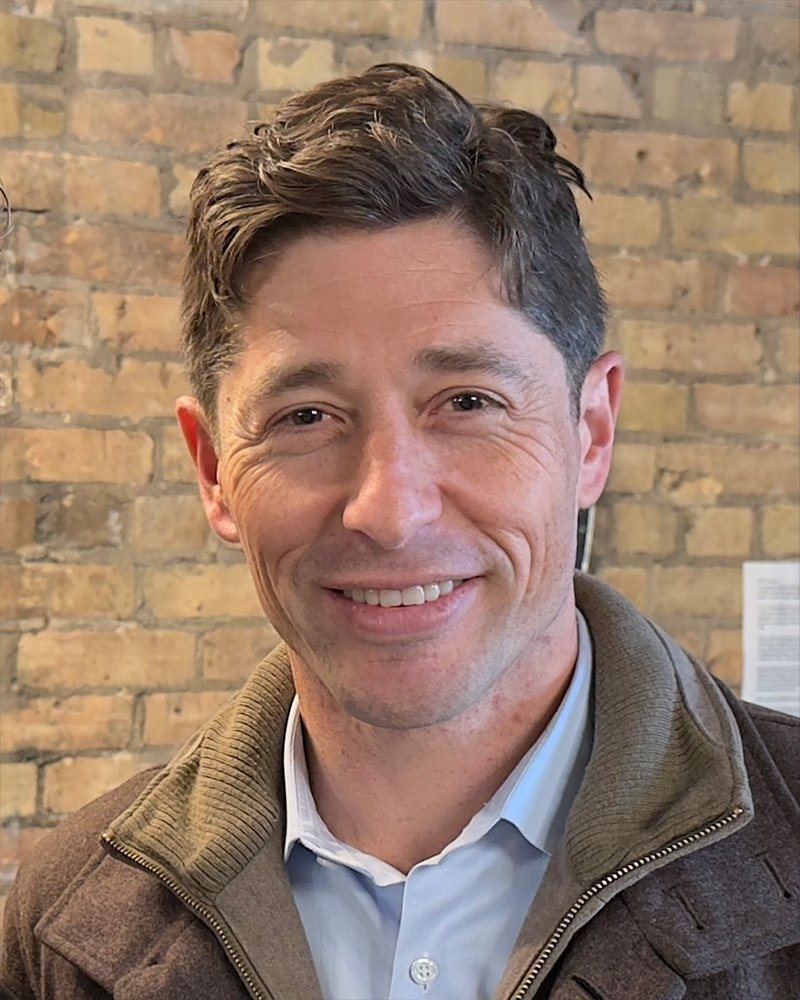
Jacob Frey, Mayor of Minneapolis

Jacob Frey has served as the 48th mayor of Minneapolis since 2018. A member of the Minnesota Democratic–Farmer–Labor Party, he served on the Minneapolis City Council from 2014 to 2018 and was elected mayor in 2017 and reelected in 2021 and 2025 [3].
 
Born and raised in Northern Virginia, Frey attended the College of William & Mary on a track and field scholarship and later attended law school at Villanova University. He was a distance runner in college and ran professionally [3]. After falling in love with Minneapolis while running the Twin Cities Marathon, he made the city his home, working as a civil rights and employment discrimination attorney [4].
 
As mayor, Frey has focused on affordable housing, public safety, and inclusive economic policies. His administration emphasizes protecting core services while delivering on priorities including affordable housing, modernized public safety, climate investments, and inclusive economic growth [5]. In recent months, Frey has taken a prominent stance against federal immigration enforcement, signing an executive order banning federal officials from using city property for staging areas [3] and becoming a vocal critic of the Trump administration’s immigration policies in Minneapolis.

Ticket Strengths

Geographic Balance

California and Minnesota represent distinct regions of the country. Newsom brings the West Coast perspective from America’s most populous state, while Frey represents the Upper Midwest, a region that has proven crucial in recent presidential elections. Minnesota sits in the heart of battleground territory, bordering Wisconsin and within cultural reach of Michigan and Iowa.

Executive Experience

Both candidates have led major American cities and, in Newsom’s case, the nation’s largest state—providing hands-on governing experience rather than purely legislative backgrounds. This contrasts with many recent presidential tickets that featured senators or representatives. Executive leadership requires making difficult decisions, managing large bureaucracies, and delivering tangible results…experience directly transferable to the presidency.

Generational Appeal

Both represent a younger generation of Democratic leadership. Newsom (born 1967) and Frey (born 1981) would offer a contrast with the older candidates who have dominated recent national tickets. Frey in particular would bring a distinctly millennial perspective to the ticket.

Policy Breadth

The ticket combines Newsom’s experience with large-scale economic and environmental policy with Frey’s focus on urban issues, housing, and civil rights. Newsom has governed through wildfires, a pandemic, and economic volatility; Frey has navigated Minneapolis through the aftermath of George Floyd’s death and ongoing debates about public safety and policing.

Media Savvy & Comunication

Newsom has taken to trolling Trump on social media, often with postings that match the president’s idiosyncratic and hyperbolic language, recently launching merchandise bearing slogans like “Newsom was right about everything” [6]. Frey has similarly demonstrated a willingness to engage directly and forcefully with political opponents. Both understand modern political communication.

Crisis Management

Both have been tested by significant crises. Newsom led California through COVID-19, devastating wildfires, and energy challenges. Frey governed Minneapolis through the civil unrest following George Floyd’s death and has recently been at the center of federal-local conflicts over immigration enforcement. Voters will see leaders who have been tested under pressure.

Complementary Styles

Newsom projects confident, polished ambition; Frey offers a more approachable, urban-progressive appeal. Together, they could speak to different segments of the Democratic coalition, from college-educated suburbanites attracted to Newsom’s executive presence to younger urban voters drawn to Frey’s civil rights background and willingness to challenge authority.

Comparing the Democratic Field

The 2028 Democratic primary is shaping up to be a wide-open contest. Between six and ten significant candidates are likely to emerge [7]. Here’s how a Newsom-Frey ticket would compare to other possible pairings:

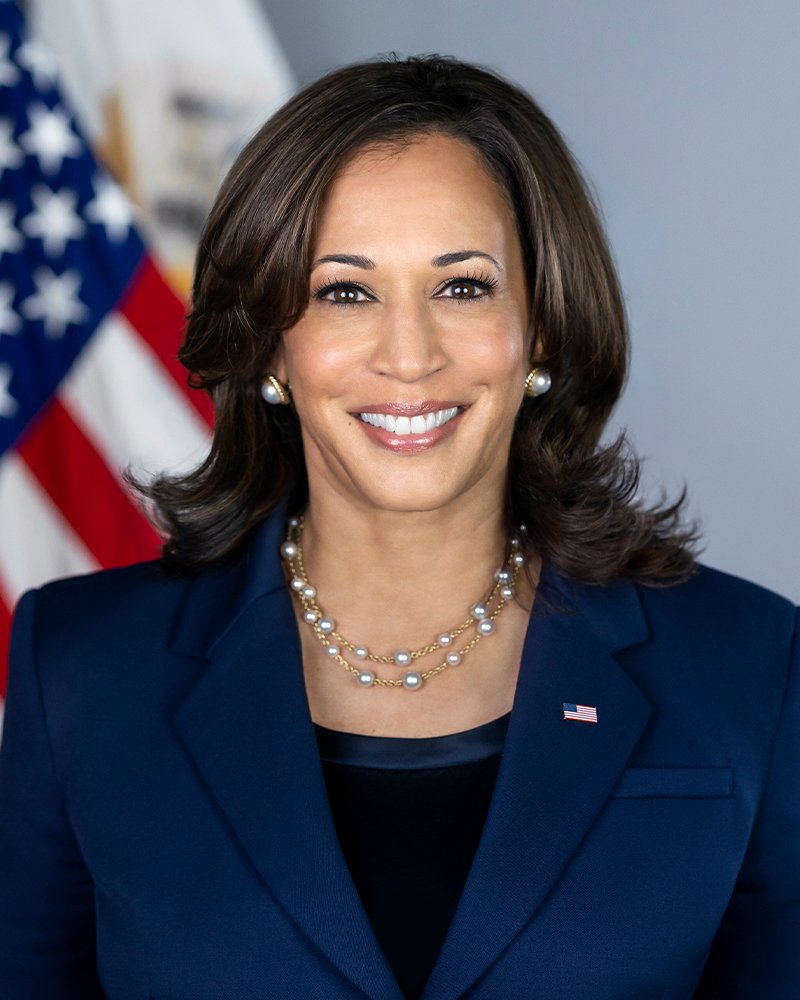
Newsom vs. Kamala Harris

Kamala Harris and Newsom are the two politicians Democrats are most likely to say they’d consider voting for in 2028.  55% say they’d consider Newsom and 54% Harris [2]. Both are Californians, which would make them unlikely running mates. Harris carries the weight of the 2024 loss but retains strong support among key Democratic constituencies. Newsom offers a fresh start while Harris offers continuity. Frey as a running mate gives Newsom Midwestern balance that Harris couldn’t provide.
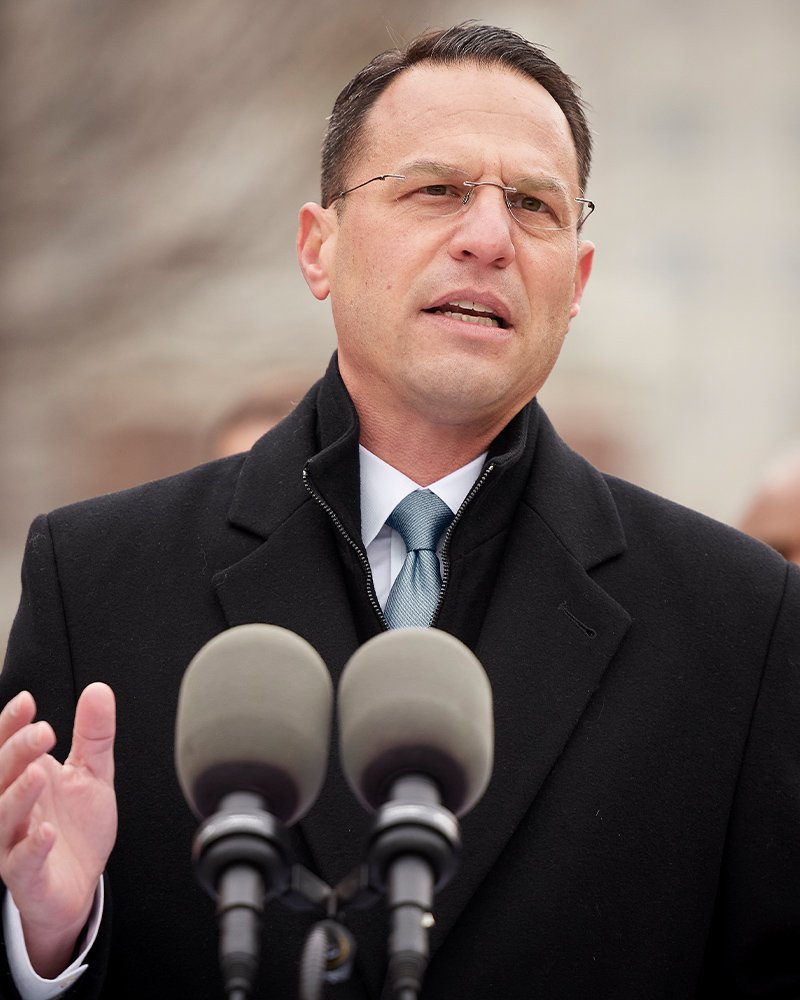
Newsom-Frey vs. Shapiro Ticket

Josh Shapiro can claim that nobody in history has won as many votes as he has in Pennsylvania, a must-win state for Democrats [7]. Shapiro has connections to some of the Democrats’ biggest donors, including Reid Hoffman and Michael Bloomberg [1]. A Shapiro-led ticket would emphasize electoral college pragmatism; Newsom-Frey would emphasize bold progressive governance. Shapiro could fall victim to the party’s deep schism over Israel if that conflict remains salient for primary voters [6].
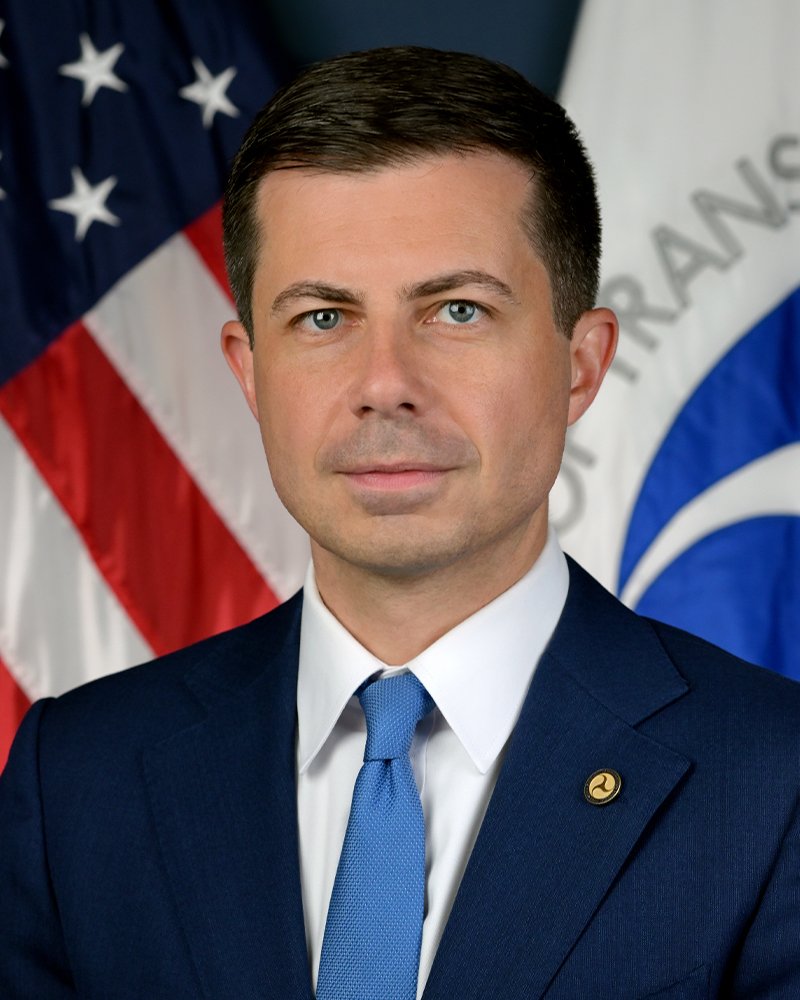
Newsom-Frey vs. Buttigieg Ticket

Pete Buttigieg has carved out a spot as a strong party communicator and has often come in third in early 2028 polling [8]. But the highest elected office he has held is as mayor of South Bend, Indiana, and in 2020, Buttigieg performed poorly with Black voters [6]. A Newsom-Frey ticket would offer significantly more executive experience at scale, though Buttigieg may have stronger appeal to moderate suburban voters.
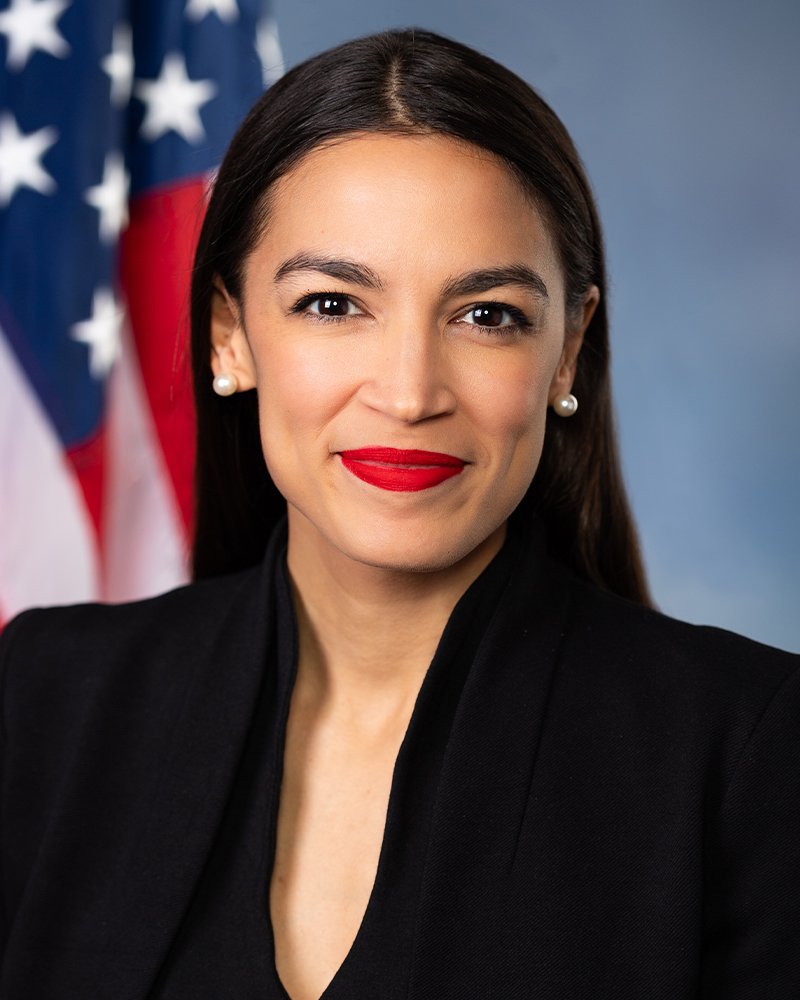
Newsom-Frey vs. AOC/Progressive Ticket

Alexandria Ocasio-Cortez is one of the top contenders beside Harris and Newsom according to polls, and she led among young voters in a December 2025 Hill poll [9]. An AOC-led ticket would represent the party’s progressive wing more fully, but would face electability concerns in swing states. Newsom-Frey offers progressive credentials with more executive experience and potentially broader appeal.
Newsom-Frey vs. Pritzker Ticket

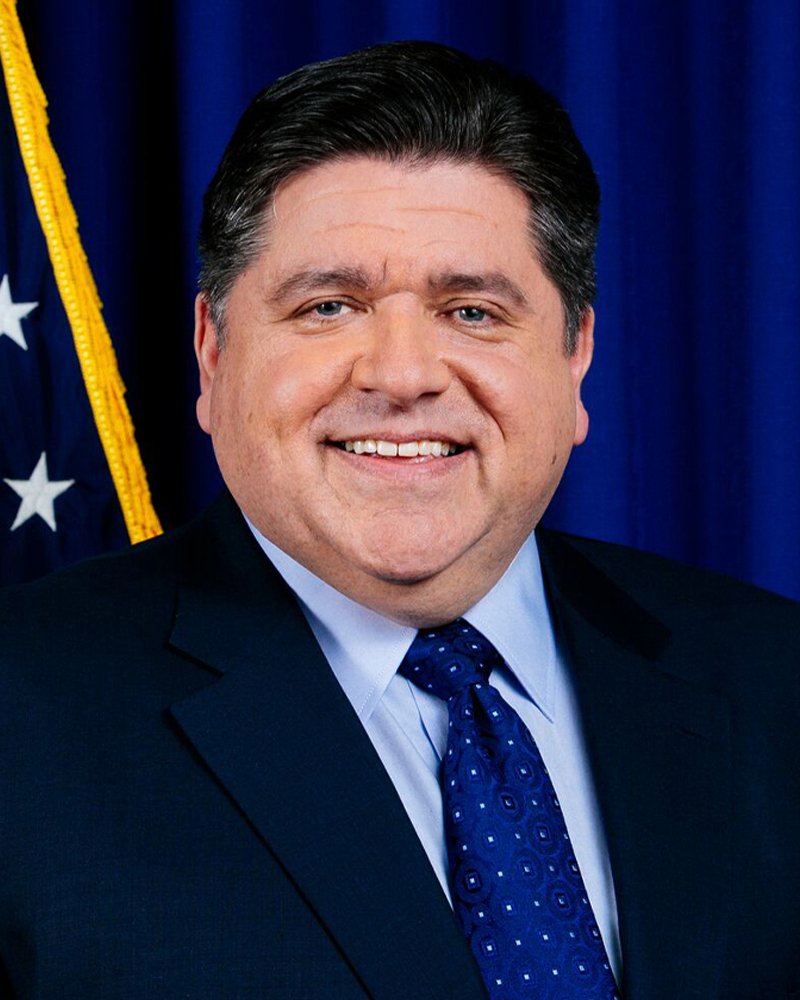
JB Pritzker, governor of Illinois, is one of the wealthiest elected officials in America with an estimated net worth of $3.7 billion, and has largely bankrolled his own campaigns [9]. A Pritzker ticket would bring unlimited personal resources; Newsom-Frey would need to build a traditional fundraising operation but may have broader personal appeal.

The Frey Advantage

Most discussed Democratic tickets pair a presidential candidate with a senator or former Cabinet member. Frey would be an unconventional choice, a sitting mayor of a major city. This could be seen as a weakness (limited national profile) or a strength (genuine connection to urban governance and the challenges cities face). His recent confrontations with federal immigration authorities have raised his national profile considerably.

Contrast with the Current Administration

A Newsom-Frey administration would represent a fundamentally different vision of American governance than the current Trump administration:

Climate and Energy

The Trump administration signed Executive Order 14154, “Unleashing American Energy,” [10] which restored Trump-era directives prioritizing federal coal leasing and removing “undue burdens” on domestic energy production. Interior Secretary Doug Burgum formally rescinded Biden-era climate priorities [11]. Newsom has made California a global leader in climate policy, setting aggressive emissions targets and investing in clean energy. Frey has advanced Minneapolis’s Climate Legacy Initiative with investments in cleaner energy and green infrastructure [5]. A Newsom-Frey administration would reverse course on climate, rejoining international agreements and accelerating the clean energy transition.

Immigration

The Trump administration has implemented sweeping immigration restrictions, including pausing immigrant visa issuance for nationals of 75 countries and requiring employers to pay $100,000 fees for H-1B workers [12]. Frey has directly challenged ICE operations in Minneapolis, telling agents to “get the fuck out of Minneapolis” and signing executive orders banning city cooperation with federal immigration enforcement [3]. Newsom has positioned California as a sanctuary state. A Newsom-Frey administration would fundamentally restructure immigration enforcement toward more humane policies.

Economic Policy

The Trump economic agenda centers on “tariffs, tax cuts, and deregulation” as “interlocking parts of an engine designed to drive economic growth and domestic manufacturing.” The administration signed the “One Big Beautiful Bill” making 2017 tax cuts permanent and establishing provisions like “No Tax on Tips” [13]. Newsom and Frey would likely pursue a different approach, maintaining progressive taxation, expanding social programs, and focusing on affordability. Frey’s Minneapolis budget emphasizes affordable housing, homelessness response, and programs helping “Black, brown, and immigrant entrepreneurs build lasting wealth” [5].

Federal Workforce and Government Structure

The Trump administration has laid the groundwork to dismantle the Department of Education and enacted many Project 2025 goals [14]. As of January 2026, President Trump had signed 230 executive orders reshaping the federal government [15]. A Newsom-Frey administration would likely rebuild federal agencies, restore civil service protections, and reverse efforts to dismantle the regulatory state.

Reproductive Rights

Advocacy group Reproductive Freedom for All says nearly half of Project 2025’s recommendations targeting reproductive rights are either completed or in progress [14]. Newsom has made California a sanctuary for reproductive healthcare and championed abortion access as a fundamental right. A Newsom-Frey ticket would prioritize restoring and expanding reproductive rights nationwide.

Tone and Style

Beyond policy, the contrast would be stylistic. Where the current administration has embraced confrontation and disruption, Newsom and Frey, while both willing to engage in political combat, would likely emphasize competent governance, institutional norms, and coalition-building.

Potential Weaknesses and Gaps

Any honest assessment must acknowledge the potential vulnerabilities of a Newsom-Frey pairing:

California’s Baggage

Newsom carries the challenges of governing California: high housing costs, homelessness, and population decline in some areas. Opponents would nationalize California’s problems and argue they represent what Democratic governance produces. Newsom would need to defend his record while pivoting to a national vision.

Frey’s Limited National Profile

While Frey has recently gained attention for his confrontations with ICE, he remains largely unknown nationally. In Minneapolis, Frey has faced criticism from progressives and continued to “butt heads with a City Council that is controlled by a progressive bloc” [16]. Building a national profile while introducing himself to voters outside Minnesota would be challenging.

George Floyd and Minneapolis

Frey’s tenure has been defined partly by the aftermath of George Floyd’s death in Minneapolis in 2020. His opponent in the 2025 race had expressed support for defunding police and supported a 2021 ballot initiative to dismantle the Minneapolis police department [16]. Frey opposed those measures but would face scrutiny from both sides, those who think he didn’t go far enough on police reform and those who blame him for the unrest.

Two Executives, No Washington Experience

Neither Newsom nor Frey has served in Congress or in a federal administration. While executive experience is valuable, neither has navigated Washington’s legislative process. Critics could argue they don’t understand how to work with Congress or manage the federal bureaucracy.

Regional Concentration

While Minnesota provides some Midwestern balance, neither candidate has roots in the South, the Rust Belt beyond Minnesota, or Appalachia. The ticket might struggle to connect with voters in states like Ohio, Georgia, North Carolina, or Pennsylvania, all potentially crucial in 2028.

Progressive Enough?

Both Newsom and Frey position themselves as pragmatic progressives rather than democratic socialists. Frey convinced voters that Minneapolis’s falling crime rates and relatively modest rent increases earned him a third term [16], suggesting a more moderate approach than some in the party prefer. The ticket could face a primary challenge from the left, particularly from candidates like AOC who energize young and progressive voters.

Age and Ambition

Both candidates are ambitious and relatively young. Running as the VP candidate requires subordinating one’s own ambitions. Would Frey be content in a supporting role, or would tensions emerge?

Immigration Politics

Frey’s confrontational stance toward ICE [3], while popular with the Democratic base, could be used against the ticket in swing districts where voters have more mixed views on immigration enforcement. The ticket would need to balance base enthusiasm with general election positioning.

Recall History

Newsom survived a recall election in 2021. While he won decisively, opponents would revisit the circumstances that led to the recall attempt and questions about his governance during that period.

The Path Forward

Every potential ticket has strengths and weaknesses. The question for Democratic primary voters will be which combination offers the best chance of victory in November 2028 while advancing the values they care about.
 
A Newsom-Frey ticket would offer executive experience, generational change, geographic diversity, and a proven willingness to stand up to the current administration. It would also face real challenges in building a national coalition and defending records that will be scrutinized intensely.
 
The 2028 election will be a referendum on the direction of the country. Newsom and Frey represent one vision of what that direction could be.

Share This:

Facebook
Threads
X
LinkedIn
Email
Scroll to Top